Key takeaways
- Google announced on November 17, 2026 that personal avatars in Vids are available at no cost to everyone with a personal Google account.
- Google directs users to vids.new on desktop and describes a QR-code flow for creating an avatar likeness, followed by typing what it should say.
- The avatar is linked to the Google Account, restricted to the account holder’s likeness and saved to the Vids project for reuse across scenes.
- The announcement does not specify generation quotas, regional or age eligibility, export limits, an underlying model ID or a developer API. AccessAllGPT has not tested the feature.
What Google announced on November 17
Google announced on November 17, 2026 that personal avatars in Google Vids are coming to everyone with a personal Google account, at no cost. The feature creates a custom digital avatar to appear in a video. Google directs readers to vids.new on desktop to try it. This is an access expansion for a video-creation product, not an announcement of new model weights or an inference API.
The practical change is that a personal-account user can consider a self-likeness avatar without first treating it as a paid-plan feature. That is the scope of Google’s announcement: it does not establish unlimited video production, paid-plan equivalence or access for every managed Workspace account. We have not signed in to confirm availability on an individual account.
How the creation flow is described
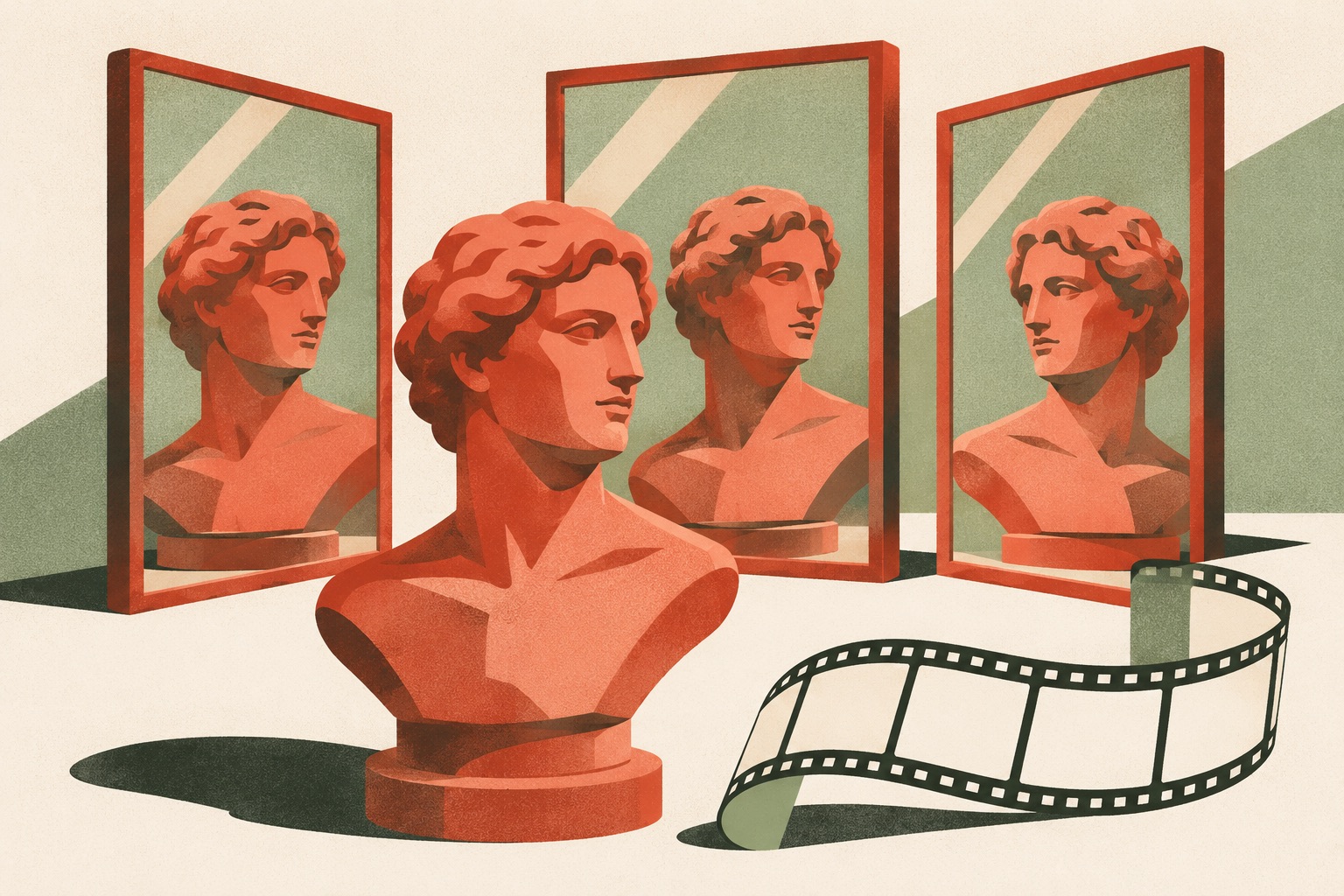
Google describes three parts of the workflow: design an avatar with the desired look and voice, scan a QR code to create a personal avatar likeness that is added to the video prompt, then type what it should say. The avatar is saved to the Vids project so it can be reused across every scene.
Google also says personal avatars are linked to the user’s Google Account and restricted to the account holder’s likeness. This is not permission to create a spokesperson from a colleague, celebrity or customer. The post does not explain the verification mechanism, so we cannot assess how effectively that restriction is enforced.
Project reuse is useful for a consistent presenter across a short explainer or product walkthrough. It does not, by itself, establish cross-project portability, a reusable API asset or a voice-cloning entitlement. Those capabilities should not be inferred from the brief launch description.
What no cost does—and does not—settle
The explicit pricing statement is that personal avatars are available at no cost for personal Google accounts. The announcement does not provide a numeric generation allowance, maximum duration, resolution, export conditions, watermark policy, regional list or age requirements. A free entry point is not the same as an unlimited production budget.
There is no model/API identifier, token price or developer endpoint in the announcement. Builders looking for programmable avatar generation should not treat this browser-product launch as an API release. Buyers comparing it with paid presenter-video services still need to check actual account limits and the output requirements of their workflow.
Why it matters for an AI-video workflow
Our analysis: the useful change is a lower barrier to trying a recurring on-screen presenter without arranging a new filming session for each script revision. A personal-account creator can evaluate whether an avatar is good enough for a draft explainer before deciding whether a paid tool or a conventional recording is necessary.
The source supplies no independent quality measurements. We have not evaluated lip synchronization, pronunciation, voice fidelity, visual consistency, generation time or export quality. Google’s description of a consistent avatar across scenes is a product claim, not an AccessAllGPT result.
A sensible next step is one short, non-sensitive script using only your own likeness. Check pronunciation, facial motion, consistency between scenes and the downloaded output before committing a full production. For workplace material, confirm account ownership, organizational policy and rights to the script and media first. Do not upload customer information just to explore the feature.
A small first trial
A suggested check for readers, not a test AccessAllGPT performed.
Entries stay in this browser tab and are not submitted to AccessAllGPT. Blank responses are copied as [Unresolved].
Open vids.new on desktop with a personal Google account and confirm the feature is actually offered.
Use only your own likeness; stop if the workflow requests permissions you are not comfortable granting.
Try one short script across two scenes; inspect pronunciation, facial motion, continuity and the export.
Record the account’s displayed quotas and export restrictions before budgeting a repeatable video workflow.
Primary sources
Browse the publication-wide evidence index →
- Anyone can create a personal avatar of themselves in Google Vids, at no costGoogle · Reviewed: November 17 publication date; entire announcement body; personal-account availability; desktop entry point; QR-code flow; project reuse; account-holder likeness restriction · Retrieved · Supports: Google’s dated access announcement and its description of the creation workflow and likeness restriction. Does not establish numeric quotas, export specifications, regional eligibility, an API or independently measured quality.
Limitations
No authenticated Vids access, avatar creation, likeness upload, video generation, export inspection or hands-on quality test. The brief first-party announcement does not specify quotas, regional and age eligibility, export restrictions, retention rules, commercial-use terms or an underlying model/API ID. Availability and the enforcement of likeness restrictions are vendor statements, not independently verified behavior.
Disclosures
AccessAllGPT received no payment, private access or vendor review for this briefing. Google did not review or endorse it. AccessAllGPT Research is operated by NeuralArc; publication-wide relationships are listed on the disclosures page.